
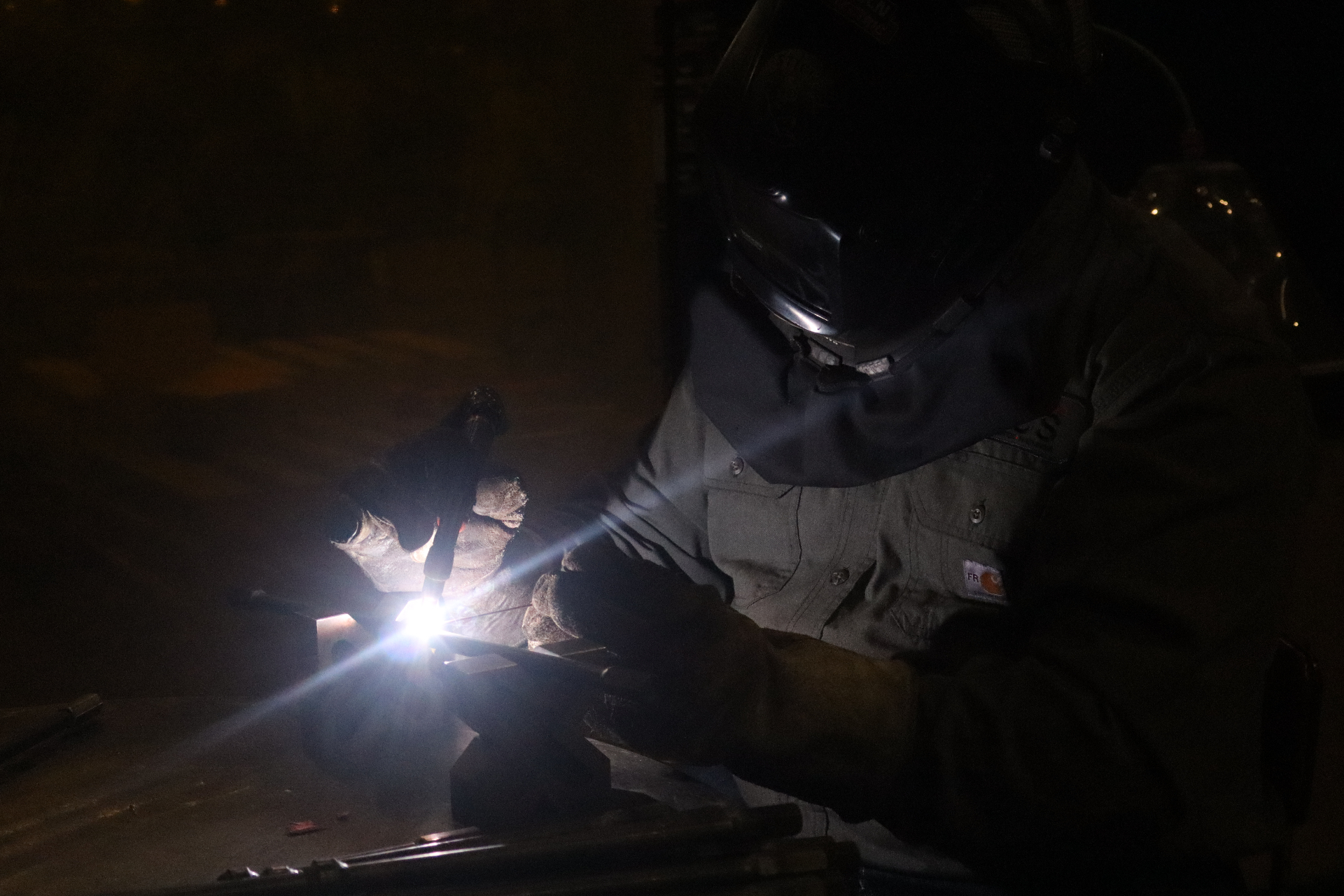
Extend Bridge Life.Reduce Construction Impacts.
Project-specific Bridge Grid deck systems built around structural efficiency, accelerated construction, and less time in the field.
Cast-in-place concrete often starts cheaper. But the deck you choose also drives field labor, forming, schedule, traffic control, work-zone exposure, and dead load. Scroll to compare.
Lower material price, before labor, closures, and lifecycle are counted.
PRICE
Grid costs more to buy. The rows below show what that price buys back.
The sticker price is real. What it leaves out fills the rows below.
Grid costs more to buy. The rows below show what that price buys back.
Depends on cover, chlorides, cracking, and upkeep.
LONGEVITY
Galvanized steel serves for decades, spreading the price over more years.
Concrete decks on busy routes get torn out and paid for a second time within one bridge's life.
Galvanized steel serves for decades, spreading the price over more years.
An 8-inch normal-weight slab, before project extras.
WEIGHT
A lighter deck helps an existing structure carry the loads it needs.
Open grid is the lightest option. Weight rises as more concrete is added, up to a maximum of 74 lb/ft² when fully filled.
A lighter deck helps an existing structure carry the loads it needs.
956 people died in US work zones in 2021. FHWA counts one death for every $112 million of roadway construction. Every added shift over live traffic is another chance your project joins that count.
RISK
More time working over live traffic is more chances for a collision.
Panels arrive fabricated and set in place, so fewer crews spend fewer shifts exposed above open lanes.
More time working over live traffic is more chances for a collision.
Multi-day lane closures on high-volume routes.
TRAFFIC
Detours, closures, and traffic control add up.
A week of lane closures: detour signs, backed-up ramps, commuters rerouted, businesses losing drive-by traffic.
Detours, closures, and traffic control add up.
Placement, finishing, and cure happen in sequence onsite.
TIME
Less time on the bridge means earlier reopening.
Concrete cures on its own clock. The bridge sits closed 7 to 10 days before a wheel crosses it.
Less time on the bridge means earlier reopening.
Full forming, shoring, and stripping required.
FORM / WORK
Grid can act as its own form.
Formwork goes up, shoring gets braced, forms come back down. Three full jobs before the deck carries anything.
Grid can act as its own form.
Forming, rebar, pours, finishing, and cure protection onsite.
LABOR
Panels arrive fabricated, so fewer trades work on the bridge.
Every yard of concrete is formed, placed, finished, and protected by hands on the bridge, shift after shift.
Panels arrive fabricated, so fewer trades work on the bridge.
Bars show how the two options compare on each factor, not measured values. Figures are conservative planning ranges from published industry sources and MCS project records; our engineering team verifies every project.
The Lowest Material Price Is Not Always the Lowest Project Cost.
Bridge Grid costs more upfront... but across labor, time, traffic, weight, and service life, it's always the best decision.
- Longer Lasting
- Lighter
- Safer
- Less Traffic
- Faster
- Easier
- Less Labor
DOT Approved in 27 States
MCS maintains established approvals and can pursue additional state requirements as projects demand. Tap a state to see the approval.
- Pennsylvania
- West Virginia
- Maryland
- Virginia
- Delaware
- Colorado
- Washington, D.C.
- New York City and Port Authority
- New Jersey and Port Authority
- Louisiana
- Florida
- Massachusetts
- Michigan
- Maine
- New Hampshire
- Wisconsin
- Washington State
- Illinois
- Vermont
- Connecticut
- Rhode Island
- Ohio
- North Carolina
- South Carolina
Certified Quality System
- 4
- Full-time CWIs
- 3
- Clean AISC audits
- 27
- DOT state approvals
- ISO 9001:2015
- AISC 207-23
- AWS D1.5 Bridge
- PennDOT Bulletin 15
- NYC Approved
- NIST 800-171
Bridge Grid in the Field
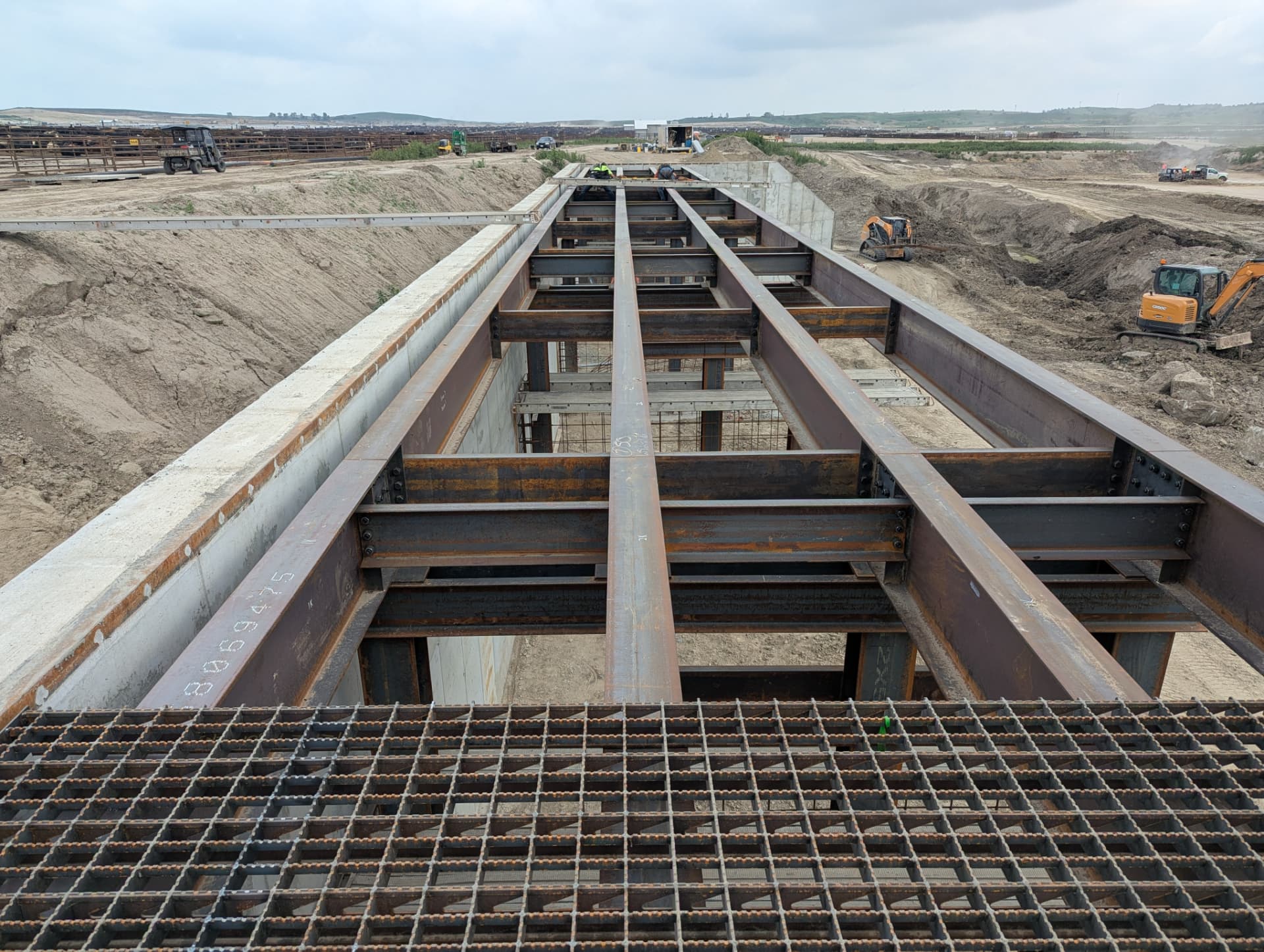
Which Grid System Fits?
Now the question is which grid fits your bridge.
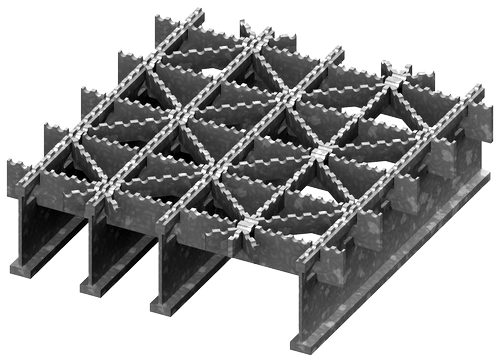
Open Grid
Traditional open steel grid decking with an exposed riding surface.
Learn more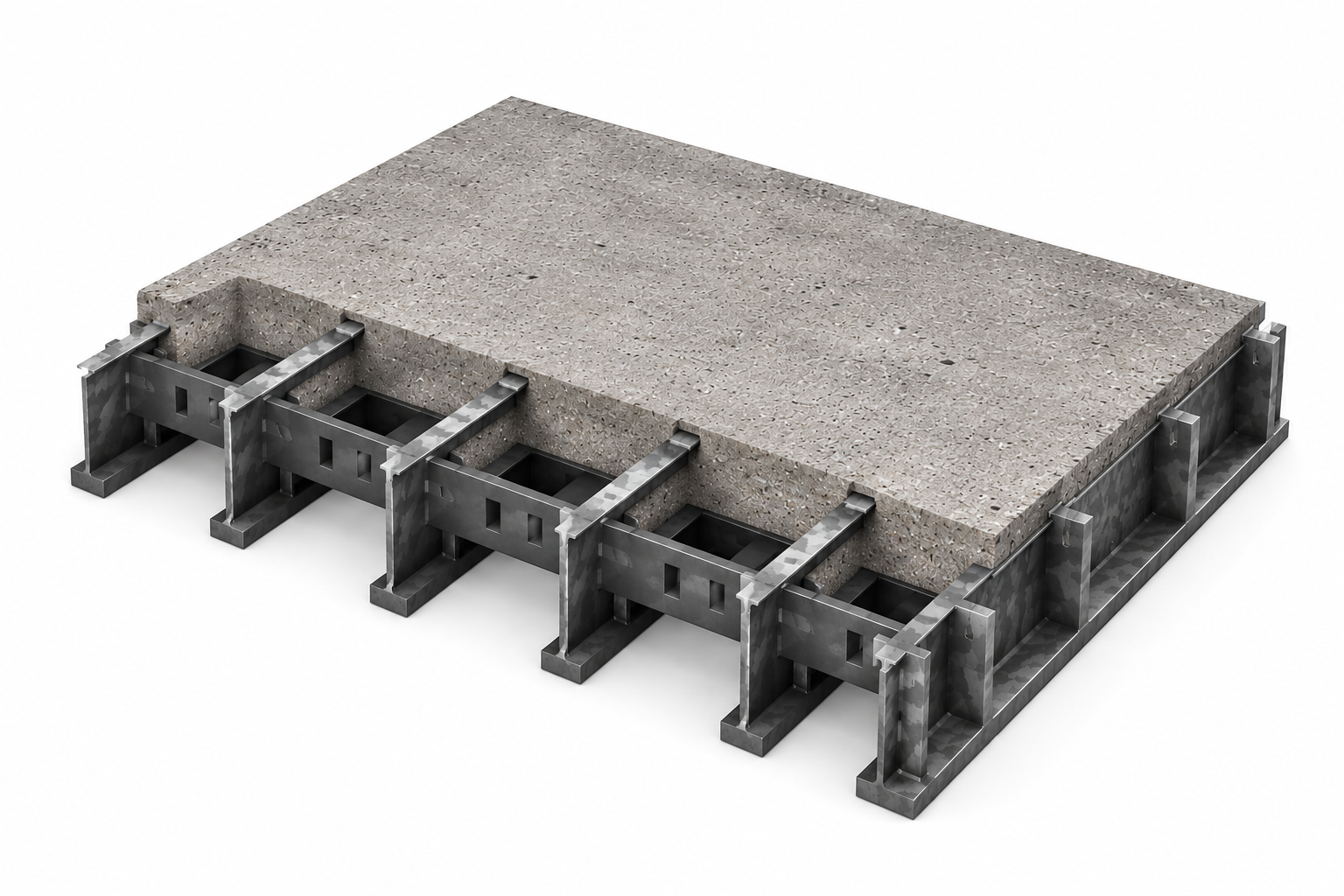
Half-Filled Grid
Steel grid partially filled with concrete for a smoother wearing surface.
Learn more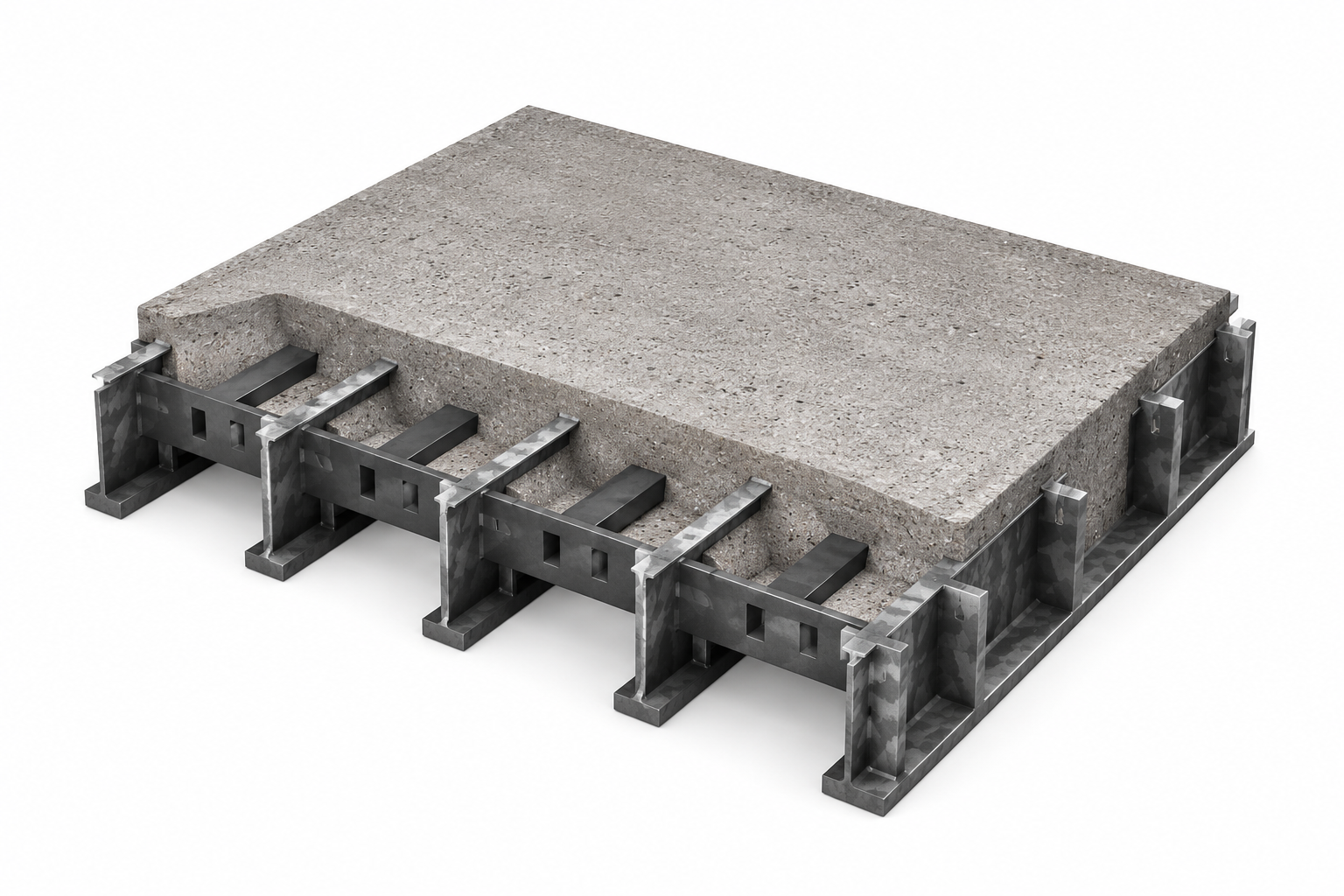
Fully Filled Grid
Steel grid fully encapsulated in concrete for a continuous wearing surface.
Learn more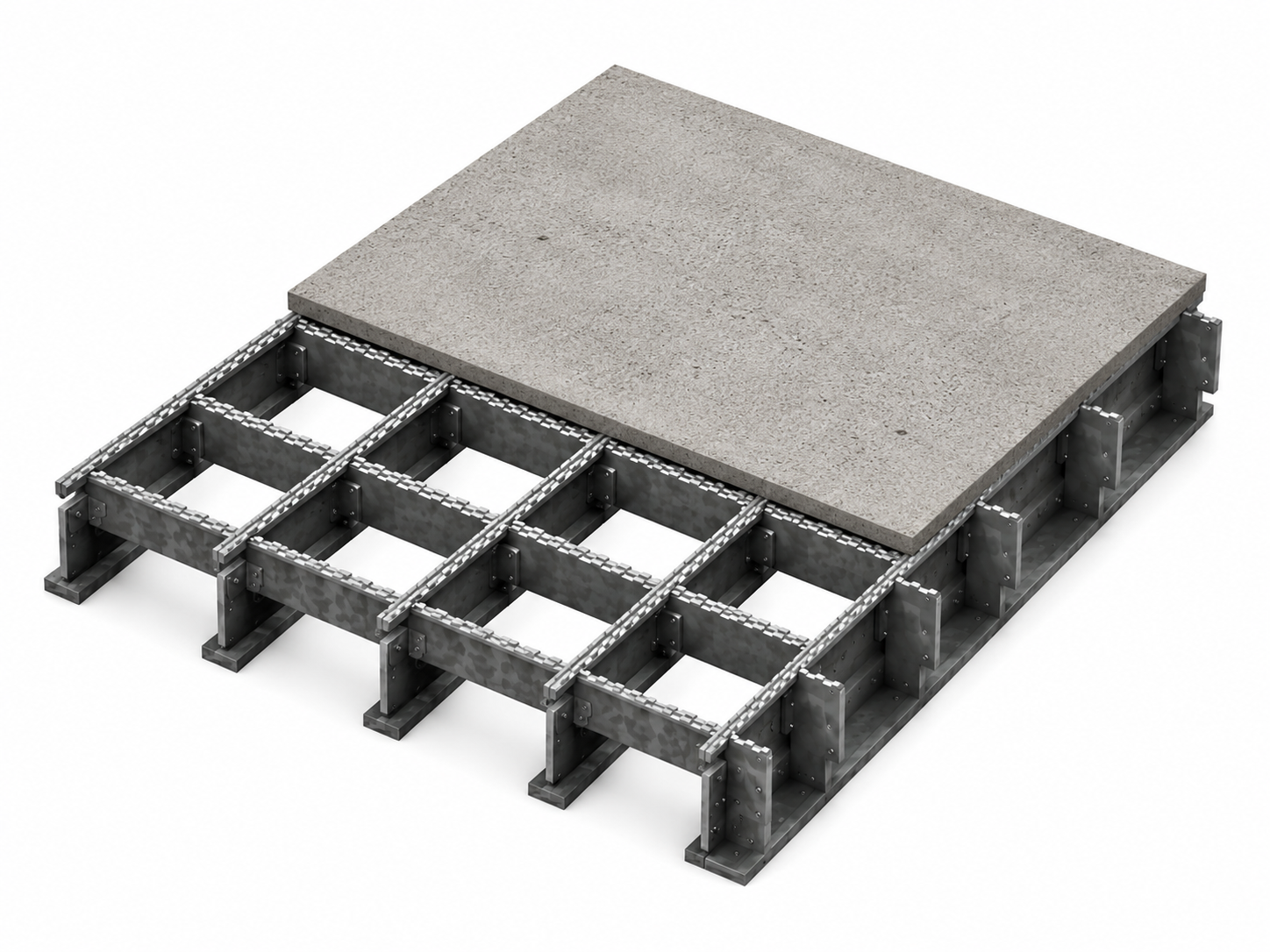
Exodermic Grid
Composite unfilled steel grid with a reinforced concrete overlay.
Learn moreCan This Work on Your Bridge?
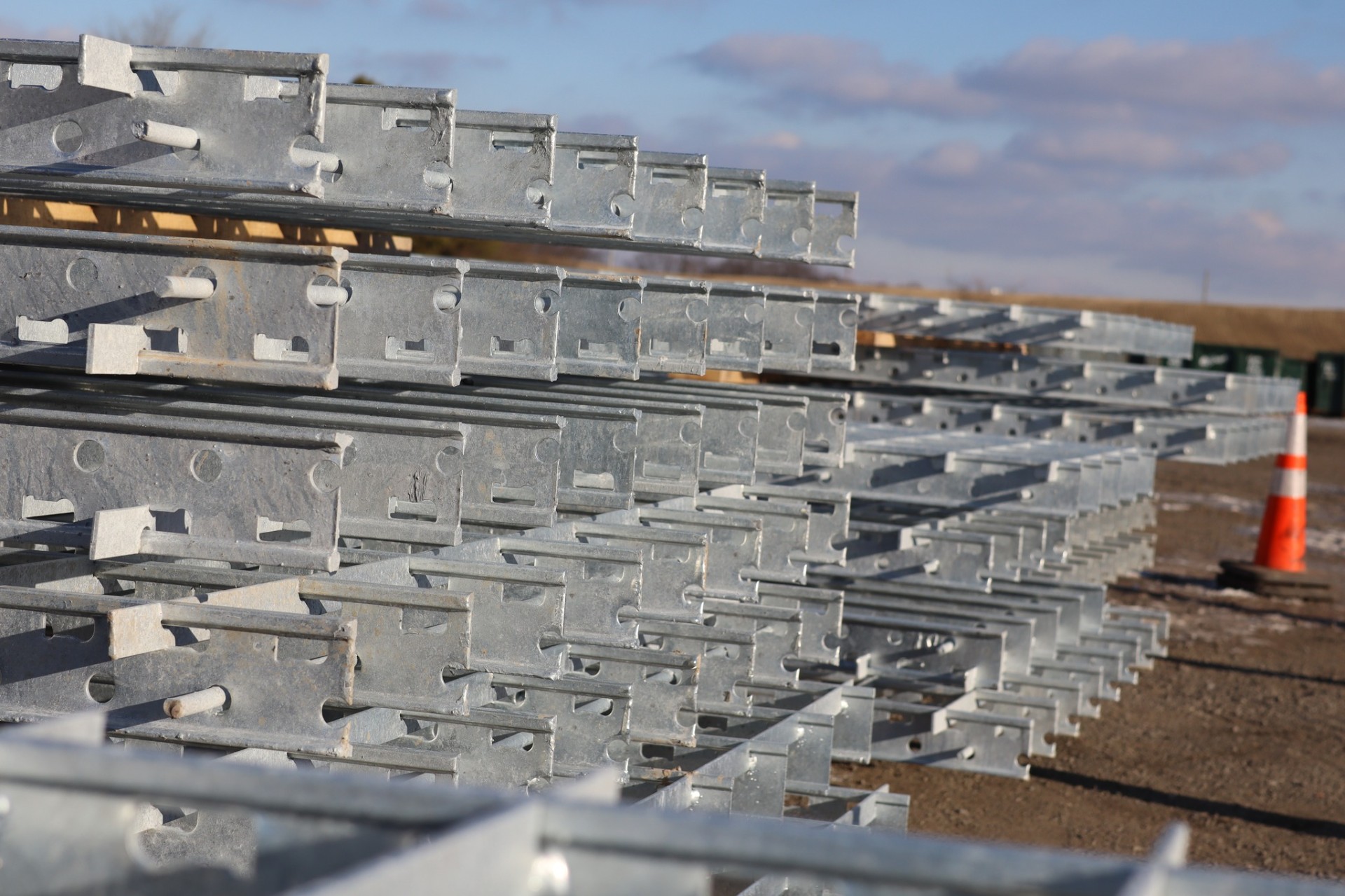
Bridge Grid 101
An introduction to steel bridge grid decking, common configurations, and where each is commonly considered.
Read more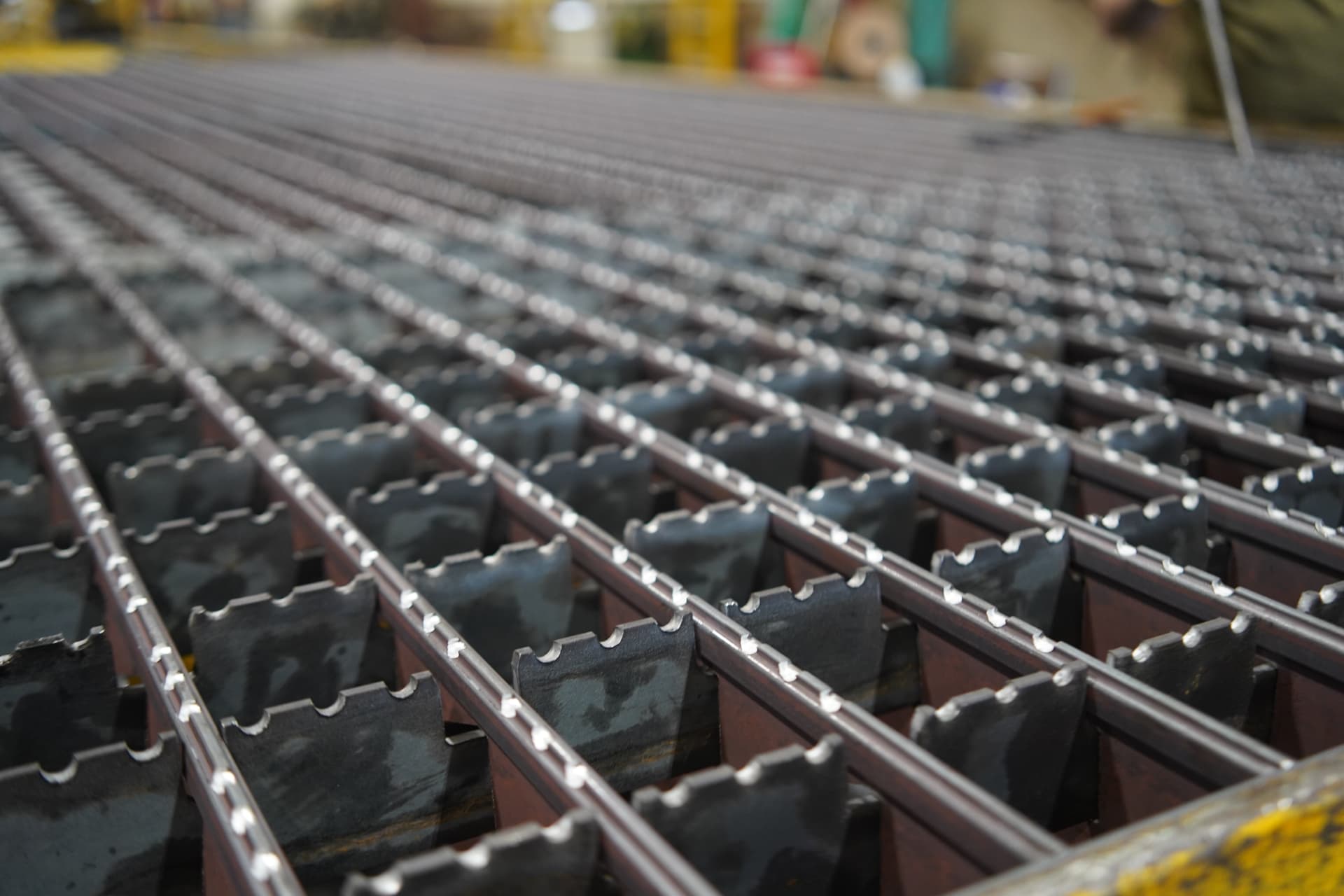
Understanding Open and Filled Grid
A side-by-side look at open, half-filled, fully filled, and exodermic-style grid deck systems.
Read more
Bridge Grid History
A brief history of the bridge-grid business and the manufacturing knowledge carried forward within MCS.
Read moreLet's Look at Your Bridge.
Have a replacement, rehabilitation, or deck project in development? Send what you have and we'll help identify the Bridge Grid systems and resources that fit.